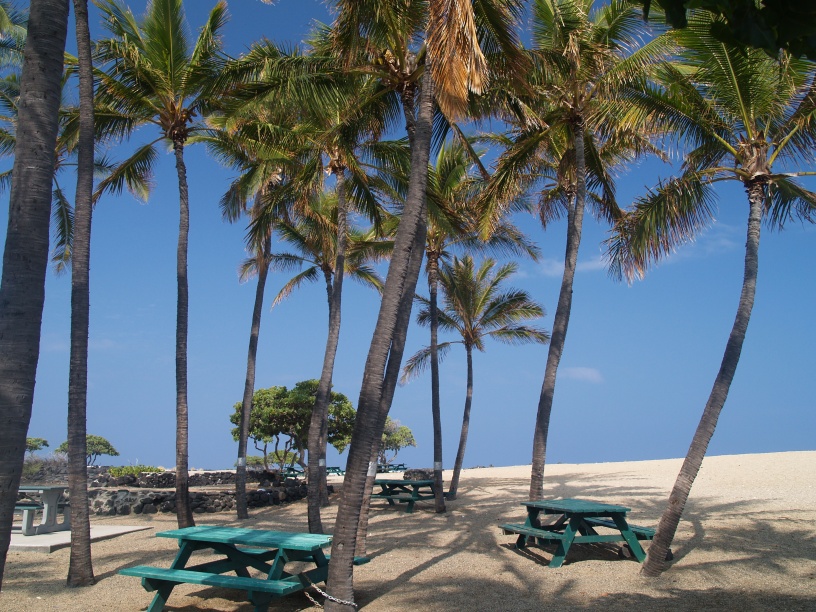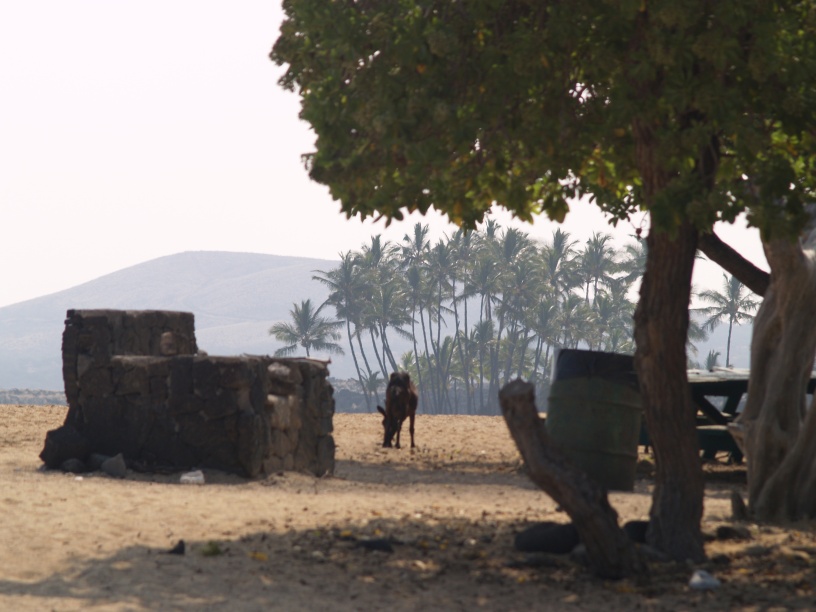
Kekaha Kai State Park stretches along the North Kona Coast on the Big Island and covers more than 1,600 acres of coastline. The park is known for its beautiful beaches, historic trails, and volcanic landscapes. It offers visitors an opportunity to enjoy Hawaii’s natural beauty while exploring an area with limited development and incredible ocean views.

Many guests staying in our Kona vacation rentals make the short drive to the park for a day filled with outdoor adventure and peaceful scenery.

About Kekaha Kai

Formerly called Kona Coast State Park, Kekaha Kai protects several of the island’s most popular beaches, including Maniniʻōwali Beach (Kua Bay), Mahaiʻula Beach, and the more remote Makalawena Beach. The park also includes sections of the historic Ala Kahakai National Historic Trail, which follows ancient Hawaiian coastal pathways.

The park remains largely undeveloped, giving visitors a chance to experience lava fields, native plants, and dramatic coastal views without the distractions of commercial areas. Keep in mind that much of the park has little shade and no drinking water, so planning ahead is important.

Activities

beach at sunset

Kekaha Kai offers something for nearly every outdoor traveler. Popular activities include:

  • Hiking scenic coastal trails
  • Swimming at white sand beaches
  • Snorkeling in calm conditions
  • Wildlife viewing
  • Photography
  • Beach picnics

Visitors can easily spend an entire day exploring different areas of the park while enjoying some of the best things to do in Kona, HI.

Hiking

Hiking is one of the biggest attractions at Kekaha Kai State Park. The Ala Kahakai Trail connects Mahaiʻula Beach with Kua Bay across approximately 4.5 miles of rugged coastline. Along the way, hikers pass lava flows, tide pools, native vegetation, and sweeping ocean views.

Another favorite hike leads to Puʻu Kuʻili, a small cinder cone that offers panoramic views of the coastline from its summit.

Before heading out:

  • Bring plenty of water.
  • Wear sturdy walking shoes.
  • Use reef-safe sunscreen and a hat.
  • Start early to avoid the hottest part of the day.

The trails can become very hot under the afternoon sun.

Swimming

The park features several excellent swimming beaches. Maniniʻōwali Beach, also known as Kua Bay, is famous for its bright white sand and crystal-clear water. During calm ocean conditions, it’s one of the best places on the Big Island for swimming and snorkeling.

Ocean conditions can change quickly, and there are no lifeguards on duty. Strong shore break and rip currents may develop during periods of high surf. Always check current conditions before entering the water.

Guests staying in our Kona rentals often choose this beach because of its easy access and beautiful scenery.

Picnicking

A beach picnic is a great way to enjoy Kekaha Kai at a slower pace. Mahaiʻula Beach includes picnic tables near the shoreline, making it an excellent place for lunch with an ocean view.

Bring everything you’ll need for the day, including:

  • Drinking water
  • Snacks or lunch
  • Beach umbrella
  • Reef-safe sunscreen
  • Trash bags

Since services inside the park are limited, preparation helps create a more comfortable visit.

Final Thoughts

Kekaha Kai State Park offers a memorable mix of beaches, hiking trails, volcanic landscapes, and peaceful coastal scenery. It’s an excellent destination for visitors who want to experience a less developed part of the Kona Coast while enjoying outdoor recreation. From relaxing on white sand beaches to hiking historic trails, the park showcases many of the natural features that make the Big Island so special.

Book Your Stay with Waikoloa Vacation Rentals

After a day exploring Kekaha Kai State Park, return to the comfort of Waikoloa Vacation Rentals. Our vacation homes place you within easy driving distance of the Kona Coast’s top attractions while providing everything you need for a relaxing island getaway. Browse our collection of professionally managed vacation rentals and start planning your next Big Island adventure today.

Sources